Guides / Policy & regulation
The ZEV Mandate, Explained for HGV Operators
A plain-English explainer for HGV operators on what the ZEV mandate covers, where HGVs sit in the policy framework, and what's coming next.
Explore our policy work
Quick answers
- What it isThe Vehicle Emissions Trading Schemes Order 2023 sets sales quotas for zero-emission cars and vans. It came into force in Great Britain in January 2024 and in Northern Ireland in January 2025. More →
- Whether it applies to HGVsNot directly. The mandate covers cars and vans only. HGVs sit under a separate policy commitment, and a regulation to enforce it is still being designed. More →
- The HGV deadlinesGovernment policy commits to phasing out new non-zero-emission HGVs at or below 26 tonnes from 2035, and all others from 2040. Not yet enforced through regulation. More →
- What to do nowPlan depot infrastructure on long lead times. Track the Zero Emission Truck Grant and Depot Charging Scheme. Watch the outcome of the 2026 HGV regulation consultation. More →
- Where to get helpOpen grants, support programmes, and the Future of Freight Transition Assessment to see where your fleet sits. More →
What the ZEV mandate is
The ZEV mandate is implemented by the Vehicle Emissions Trading Schemes Order 2023 (the VETS Order). It sets binding sales quotas for zero-emission cars and vans, enforced through trading schemes that vehicle manufacturers comply with. It came into force in Great Britain on 1 January 2024, and in Northern Ireland from 1 January 2025.
The car quota started at 22% ZEVs in 2024 and rises to 80% by 2030. The van quota started at 10% in 2024 and rises to 70% by 2030. Both reach 100% by 2035. Manufacturers that don't meet their targets pay £15,000 per non-ZEV car sold above their allowance, and £18,000 per van (rising from £9,000 in 2024).
The mandate is the mechanism that delivers the 2035 phase-out for cars and vans; the phase-out is the destination. The 2030 date sometimes cited in trade press refers to the interim 80% car target, not a full phase-out.
The mandate in one line
A legally binding sales-quota regime forcing carmakers and van makers to sell an increasing share of zero-emission vehicles each year, with financial penalties for non-compliance and the option to trade allowances between manufacturers.
The mandate vs the phase-out
The ZEV mandate (VETS Order)
- Legally binding sales quotas
- Applies year by year from 2024
- Enforced through trading schemes
- Cars and vans only
- Financial penalties for non-compliance
The 2035 phase-out date
- Government policy commitment
- Applies from 2035
- Implemented by the mandate's 100% target
- Cars and vans only
- Phase-out date, not a separate enforcement mechanism
How HGVs actually fit
Here's the part that catches most HGV operators out. The ZEV mandate does not cover HGVs. From the official DfT compliance guidance: "Non-ZEV heavy duty vehicles are out of scope of the ZEV targets."
What HGV operators have instead is two things, both important and neither one a finished piece of regulation.
The HGV phase-out dates
Announced at COP26 in November 2021 and confirmed in the 2022 consultation outcome. From 2035, new non-zero-emission HGVs at or below 26 tonnes can no longer be sold in the UK. This covers rigid HGVs at or below 26t GVW and articulated HGVs at or below 26t GCW. From 2040, the same restriction applies to articulated HGVs above 26t GCW.
These are government policy commitments. They aren't yet enforced through regulation. Exact start dates within those years haven't been set.
The HGV regulatory framework being designed
On 6 January 2026, the Department for Transport launched a consultation on a new HGV CO₂ emissions regulatory framework. It closed on 17 March 2026. The government response is pending. The consultation asked for views on the regulatory options for bringing the 2035 and 2040 dates into binding regulation, including:
- Whether to use a HGV-specific ZEV mandate (a sales-quota model similar to cars and vans).
- Whether to use a CO₂ emissions trajectory model instead.
- Vehicle categorisation and weight-band definitions.
- Flexibilities, exemptions, and penalty structures.
- Reduction trajectories ahead of the phase-out dates.
Firmer in policy vs still being designed
Firmer in policy
- 2035 phase-out for new HGVs at or below 26t
- 2040 phase-out for new HGVs above 26t
- Policy applies UK-wide
- Existing diesel fleet remains lawful to drive and sell second-hand
- The Zero Emission Truck Grant and Depot Charging Scheme are open
Still being designed
- The enforcement mechanism for those dates
- Whether a HGV-specific ZEV mandate arrives before 2035
- Weight-band definitions and exemption categories
- CO₂ reduction trajectory between now and 2035
- The form of any post-consultation regulation
The regulatory direction is settled. The 2035 and 2040 dates have been government policy for nearly five years and were reaffirmed in the 2026 consultation. What's still moving is how those dates get enforced, what the trajectory looks like before they arrive, and what exemptions might exist for the hardest-to-decarbonise use cases.
What this means for operators in practice
A practical timeline. These are operator decisions, not policy demands, but they are the ones that take the longest if you leave them late.
2026You are here
The Depot Charging Scheme is open with £170 million committed to 2030. The Zero Emission Truck Grant offers up to £81,000 per truck. The HGV regulation consultation has closed; the government response is pending. Most depots planning grid connection upgrades are looking at lead times of 18 months or longer, with some seeing 36+ months in constrained network areas.
2027–2028
Expected publication of the HGV regulation post-consultation. The first HGV-specific regulatory instrument is likely to land in this window if government moves at typical pace. Depot Charging Scheme grant rates expected to step down as installation costs fall.
2030
Interim point. Cars and vans cross the 80% / 70% ZEV thresholds. HGV operators replacing tractor units this year are looking at vehicles that will run into the late 2030s at typical replacement cycles.
2032–2035
2032–2034 is the last realistic window for operators with seven-to-ten year replacement cycles to buy a new non-zero-emission HGV at or below 26 tonnes if they want to run it to natural retirement. From 2035, those vehicles can no longer be sold new in the UK. Existing fleet continues to operate.
2040
From this point, all new non-zero-emission HGVs can no longer be sold in the UK. Existing fleet continues to operate.
The operator perspective
The policy commitment is firm. The regulation that enforces it is still being written. In between sits the actual work operators have to do to get electrified, on schemes that aren't yet structured for the operators who need them most.
The current grant structure works best for operators who already have the capital and the volume. Large fleets with strong balance sheets, predictable duty cycles, and existing depot infrastructure can make the maths add up. The small and medium operators that make up over half the UK truck market are walking away. They can't compete with bulk orders for the same pot.
Three things are stopping electrification at scale for the rest of the market. All three are within government's gift to fix.
1. Ring-fence grants for smaller fleets
The Zero Emission Truck Grant is first-come, first-served and competing for the same pool against operators ordering 100+ units at a time. Smaller operators ordering one or two trucks don't get a look in.
2. Make the Depot Charging Scheme cover grid connections
The scheme funds chargepoints and civil works up to £1 million per organisation. It does not fund grid connection upgrades. Grid connection is where most operators actually get stuck. A new 1MW grid connection in a constrained network area routinely takes 18 to 36 months and costs more than the chargepoints themselves.
3. Implement a Residual Value Guarantee
The Green Finance Institute has already designed and modelled this. Without it, finance providers are pricing electric trucks blind because there's no used-market data to base residual values on. That uncertainty gets priced into lease rates and locks out the operators most exposed to it.
None of these are new ideas. They're tweaks to schemes that already exist. The gap between commitment and capability is what operators are left closing in the meantime.
Support, grants, and schemes
Depot Charging Scheme
OpenZero Emission Truck Grant
OpenZero Emission HGV and Infrastructure Demonstrator (ZEHID)
Demonstration runningProject JOLT
Open to operatorsPhase-out policy applies UK-wide. The headline schemes (Depot Charging Scheme, Zero Emission Truck Grant, ZEHID) are open across England, Scotland, Wales and Northern Ireland. Scotland, Wales and Northern Ireland also run their own complementary support programmes worth checking alongside.
Operator voices on the transition
Conversations, write-ups and explainers from fleets already living with these decisions. From the policy-regulation and fleet-electrification tags on The Loading Bay.
 Article
28 July 2026
An operator knows in a week. The money never asks.
A supplier we backed has gone into administration with the engineering working and real customers on the books. The gap isn't money. It's that the people who can tell whether the kit holds up are never in the room when the money decides.
 Article
16 June 2026
Battery swapping for trucks: stress-testing the sceptic's case
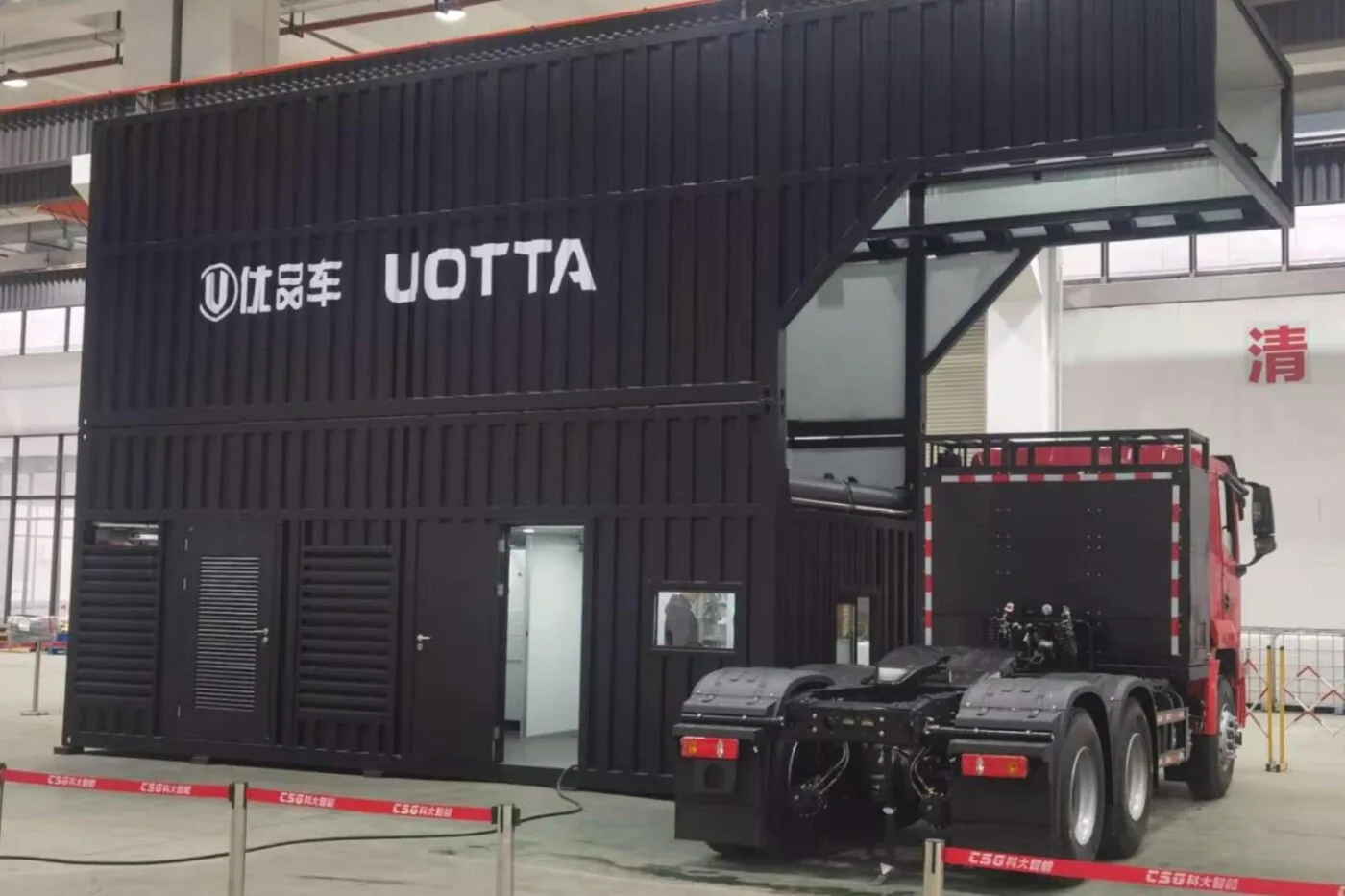
I've always been sceptical of battery swapping for trucks. Serious money is now behind it, so I stress-tested my position. The real case isn't speed, it's grid flexibility.
 Article
31 May 2026
The Hydrogen Debate in Transport: A Reality Check
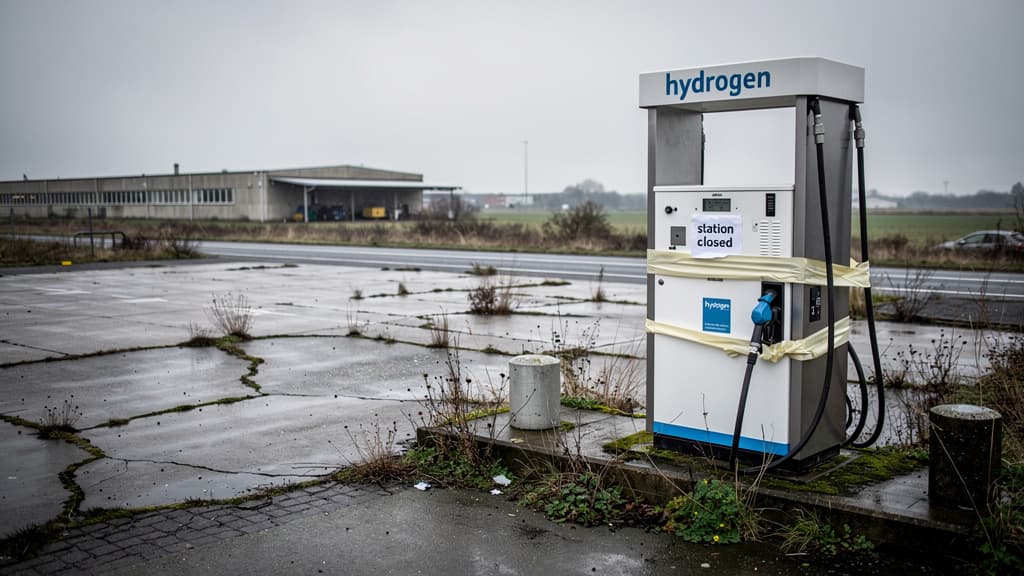
Hydrogen has serious credentials in steelmaking and ammonia production. But for road transport, the efficiency losses, infrastructure gap, and economic reality all point the same way. Battery-electric is already delivering. Hydrogen might find a niche, but it's not the transition.
 Article
30 May 2026
HVO Is a Tool, Not a Transition
The carbon case for HVO is real, but only if the feedstock is genuine waste. With fraud arrests upstream and certificates from the same schemes that signed off fuel that didn't exist, operators need to treat HVO as a bridge they interrogate, not a box they tick.
 Article
16 May 2026
Are solid-state batteries coming to save your fleet?
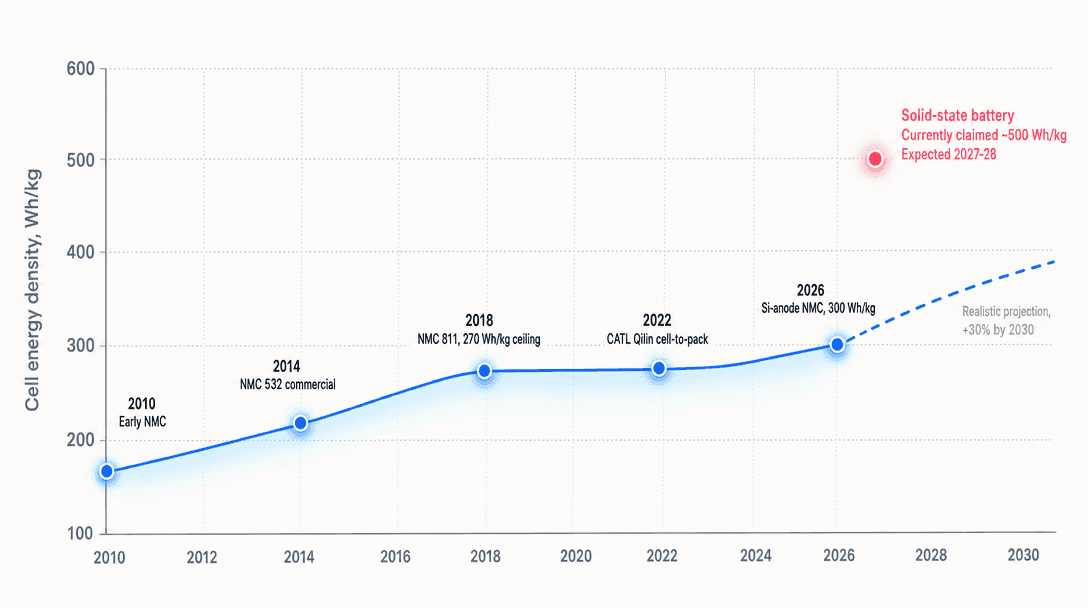
The engineering community has a pretty clear view on solid-state batteries. The marketing community has a different one. I went deep on the peer-reviewed literature to find out what the numbers actually say.
 Article
22 March 2026
The Bottleneck Isn't the Truck
Subsidise what is shared, scarce, and slow to build. If that single principle shaped UK freight decarbonisation policy, we'd be in a very different place. Instead, the centre of gravity is still stuck on "help me buy a truck". The Plug in Truck Grant was topped up again on 6 January 2026, with discounts up to £120,000 for the heaviest vehicles and funding extended to March 2026. That helps early adopters. But it does not solve the bottleneck that actually determines pace of adoption: power availability, cost to serve, and reliability.
Frequently asked questions
The questions UK fleet operators send us most often about the ZEV mandate.
What happens to my existing diesel fleet?
Nothing automatic. The phase-out dates apply to the sale of new vehicles, not to vehicles already on the road. There is no current policy proposal to scrap, de-register, or restrict a compliant diesel HGV because of the ZEV mandate.
The relevant pressures on existing vehicles come from other places: Clean Air Zones, customers' own scope-3 commitments, and a residual-value curve that will shift as the pool of new diesel buyers shrinks. Most operators are planning a gradual fleet mix change in the late 2020s, not a cliff edge.
Can I still buy a new diesel HGV after 2035?
Not new, if the vehicle is at or below 26 tonnes. From 2035, the sale of new non-zero-emission HGVs at or below 26 tonnes will be prohibited under current policy. For trucks above 26 tonnes, the same restriction applies from 2040. The used market for diesel trucks registered before those dates continues.
Treat the 2035 date as fixed for planning purposes. Recent policy debates have been about whether to accelerate, not whether to delay.
Are HGV grants still available?
Yes. The Zero Emission Truck Grant is open and confirmed into 2026/27, with up to £81,000 per truck for the heaviest HGVs. The Depot Charging Scheme is open with £170 million committed through 2030. ZEHID is running its five-year demonstration programme. See the grants section above for the full picture and links.
Does the ZEV mandate apply in Northern Ireland, Scotland, and Wales?
Phase-out policy applies UK-wide. The VETS Order (which implements the ZEV mandate for cars and vans) applies in Great Britain from January 2024 and in Northern Ireland from January 2025. The headline UK schemes (Zero Emission Truck Grant, Depot Charging Scheme, ZEHID) are open across all four nations. Scotland, Wales and Northern Ireland also run their own complementary programmes worth checking alongside.
What counts as a "zero-emission" HGV?
Under the current policy direction, an HGV qualifies as zero-emission if it produces no greenhouse gas or pollutant emissions at the tailpipe in normal operation. In practice that means battery-electric or hydrogen fuel-cell HGVs. The exact technical definition for the future HGV regulatory framework is one of the open questions in the 2026 consultation.
Related guides
Each one digs into a specific decision in the freight transition.
Work out what the mandate means for your fleet
Last reviewed and updated 18 July 2026. Sources: gov.uk, Department for Transport, Office for Zero Emission Vehicles.
Flag a correction →