HVO Is a Tool, Not a Transition
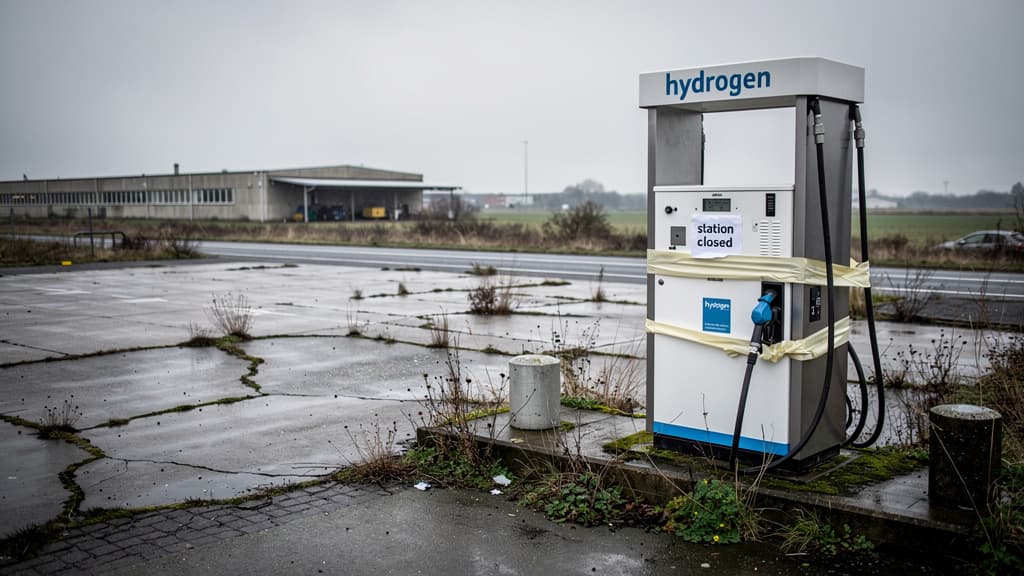
HVO buys you time. The mistake is thinking you've bought anything else.
HVO is a tool, not a transition
"HVO is the easy win" is the line you hear at every fleet conference. Drop-in fuel, no new vehicles, no charging infrastructure, up to 90% off your carbon. Pour it into the tanks you already own and tick the box.
Most of that's true, which is what makes it worth using. It's also why it's worth being careful about what you're actually buying.
Start with the good, because the case is real. HVO is a paraffinic diesel, hydrotreated rather than transesterified like old-school FAME biodiesel, and it runs in most modern engines with no modification and a longer shelf life than diesel. You can cut tailpipe emissions on an existing fleet without a penny of capex and without waiting on a grid connection. For the work that won't electrify yet, the long-haul trunking, the depots still sat in the connection queue, the older units with three or four good years left in them, it's a genuine option. Not a marginal one. If you're trying to take carbon out of operations this year rather than this decade, very little else moves as fast.
The carbon claim
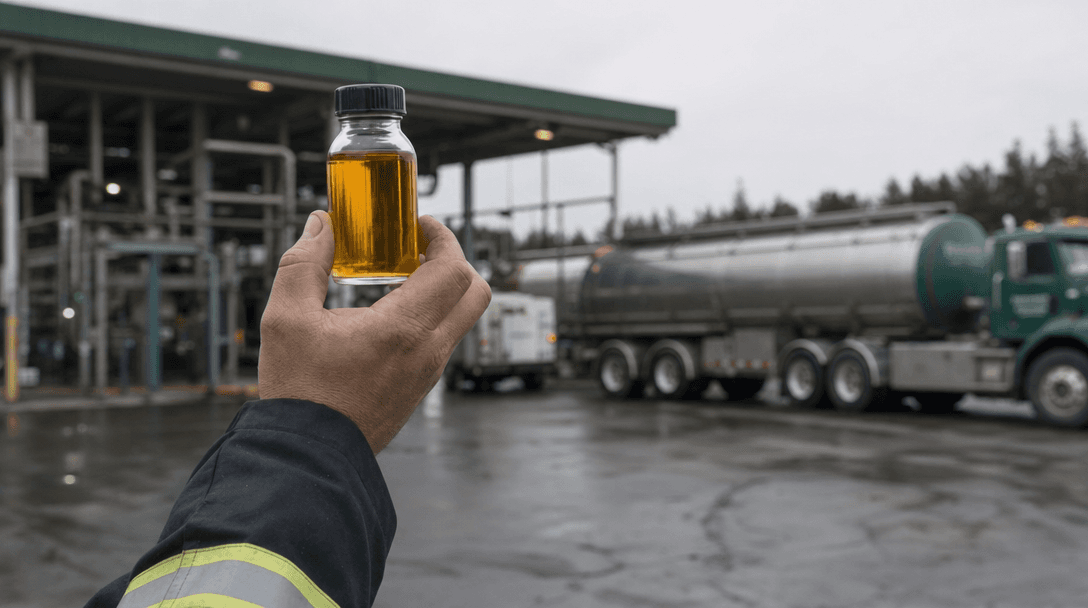
Then look at the carbon claim, because that's where it gets uncomfortable. The headline saving only holds if the fuel is made from real waste: used cooking oil, tallow, the residues nobody else competes for. The moment it's virgin crop oil wearing a waste label, the saving collapses and you're burning palm oil with extra steps and a worse conscience.
That label is exactly what's in dispute. In April 2025 Transport & Environment published a study showing nearly twice as much palm oil mill effluent, POME, going into European biofuels as the entire world is physically capable of producing. There's no innocent way to read that. If the supply on paper is double the supply that can exist, the difference is fraud: crude palm oil relabelled as residue to claim the incentives that residue attracts. A BBC investigation the same month found non-waste material turning up in HVO sold as the clean stuff. And in March 2026 the argument left the spreadsheet, with mass arrests in Indonesia over precisely this, palm oil shipped out dressed as POME.
There's a tell in the pricing, too. POME is meant to be near-worthless sludge. By mid-2024 it was trading at close to 90% of the price of the crude palm oil it's supposed to be a by-product of. Things that worthless don't cost that much. They cost that much when the market knows what they really are.
The UK picture
Now the part the suppliers will point to, and fairly. The UK looks cleaner than the European average. DfT's provisional figures put the share of UK HVO made from POME at 2.4% in 2024, down hard from around a quarter of the mix two years earlier, and the department holds that all UK-supplied HVO over the past five years came from waste, with verified savings in the 83 to 91% range. The RTFO has teeth as well: suppliers caught cheating face civil penalties of up to 10% of the turnover they made on the fuel. That's not nothing. The operator buying genuinely waste-derived HVO from a reputable supplier is getting a real reduction.
But hold the two facts next to each other. UK HVO is certified clean by the same family of industry-led voluntary schemes that signed off the European POME that turned out not to exist. The certificate and the fraud come from the same system. I'm not saying your fuel is dirty. I'm saying the document telling you it's clean is worth exactly what the audit chain behind it is worth, and that chain just produced arrests upstream. "Trust the paperwork" is a thin place to anchor a figure you're handing to a customer's Scope 3 report.
Economics and supply
The economics don't rescue the argument and the supply doesn't either. HVO is classified as heavy oil for excise, taxed at the same duty as diesel, so there's no relief at the pump. The whole support mechanism runs through the RTFO: waste-derived fuel earns double certificates, the supplier sells those, and the value comes back to you as a discount of very roughly 50p a litre against where the raw cost would otherwise sit. Useful. But the underlying price still moves with a thin feedstock market that's been climbing, and you carry that exposure.
Then there's scale. Global HVO production sits somewhere around 19 billion litres a year, with the US making close to half of it, against a world diesel market many times that size. There isn't enough genuine waste oil on the planet to run the world's trucks, and the gap between how much waste-based fuel everyone wants to claim and how much actually exists is the engine driving the fraud in the first place. The harder a market leans on "waste" biofuels, the more pressure builds to manufacture waste that was never waste. Ireland saw the risk and pulled POME's eligibility for extra certificates from July 2025. Expect more of that, not less.
What to do about it
So if you're running HVO, or weighing it up, run it like an operator and not like someone buying a halo. Ask the supplier for the feedstock and the RFAS certificate that backs it, in writing, and treat a vague answer as the answer. Waste streams with real provenance, used cooking oil and tallow, are worth paying for. Anything routed through POME earns a hard question given where the evidence now sits. Put the provenance in the contract, not the marketing email. And when you report the saving, report it with the caveat that it rests on a chain you can't personally audit, because the worst outcome here isn't paying a premium for clean fuel. It's paying a premium for palm oil and telling your customers it was clean.
None of this is a reason to avoid HVO. It's a reason to be clear about what it is. A bridge for the duty cycles that can't yet electrify, bought deliberately, provenance interrogated, limits understood. The danger was never the fuel. It's the temptation to treat a full tank of renewable diesel as the transition done, and quietly stop building the grid connections, the charging, and the electric fleet that actually finish the job.
HVO buys you time. The mistake is thinking you've bought anything else.