Payload and electric HGVs
What battery weight really costs, and which work it actually affects
"Electric trucks can't carry enough" is one of the most repeated objections in freight. It's true for some work. For a lot of work it simply doesn't apply, and operators who never check which camp they're in end up ruling out electric for a problem they haven't got.
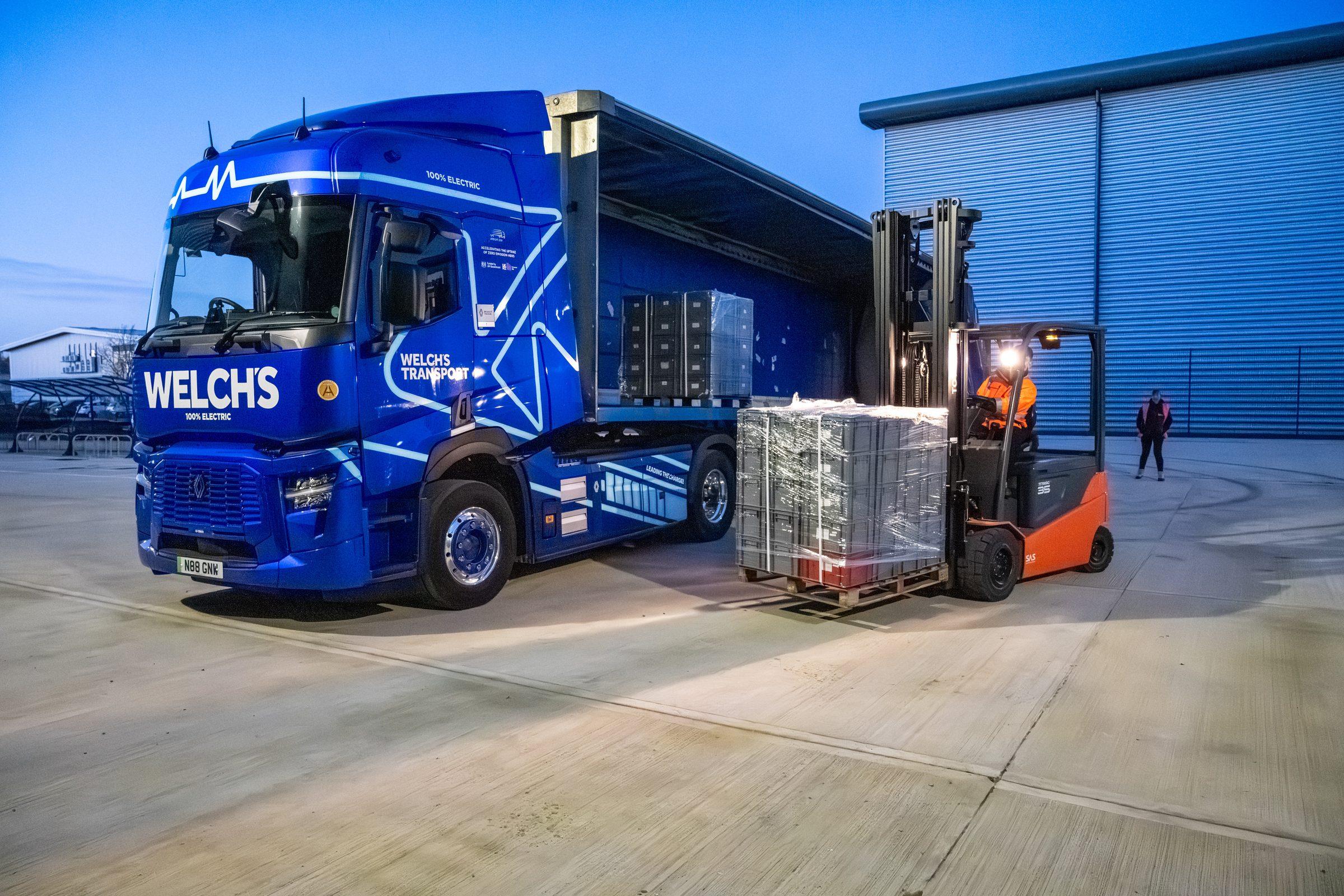
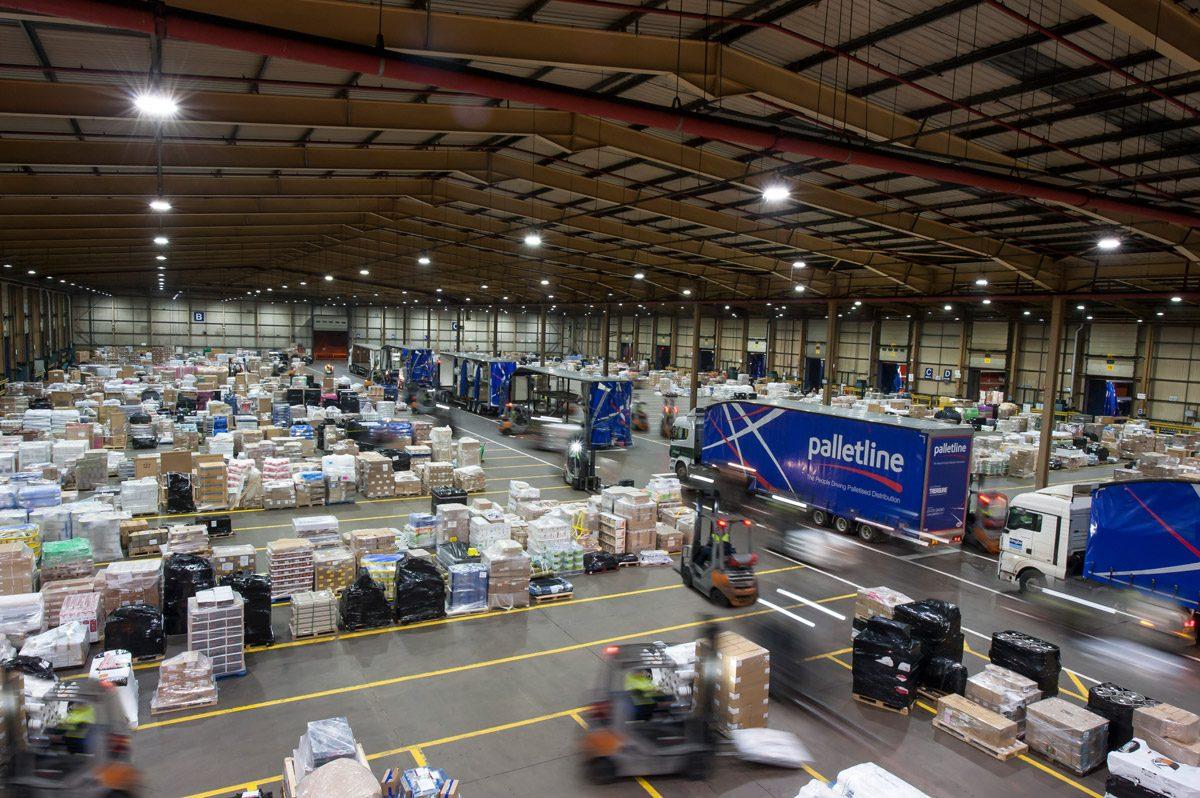
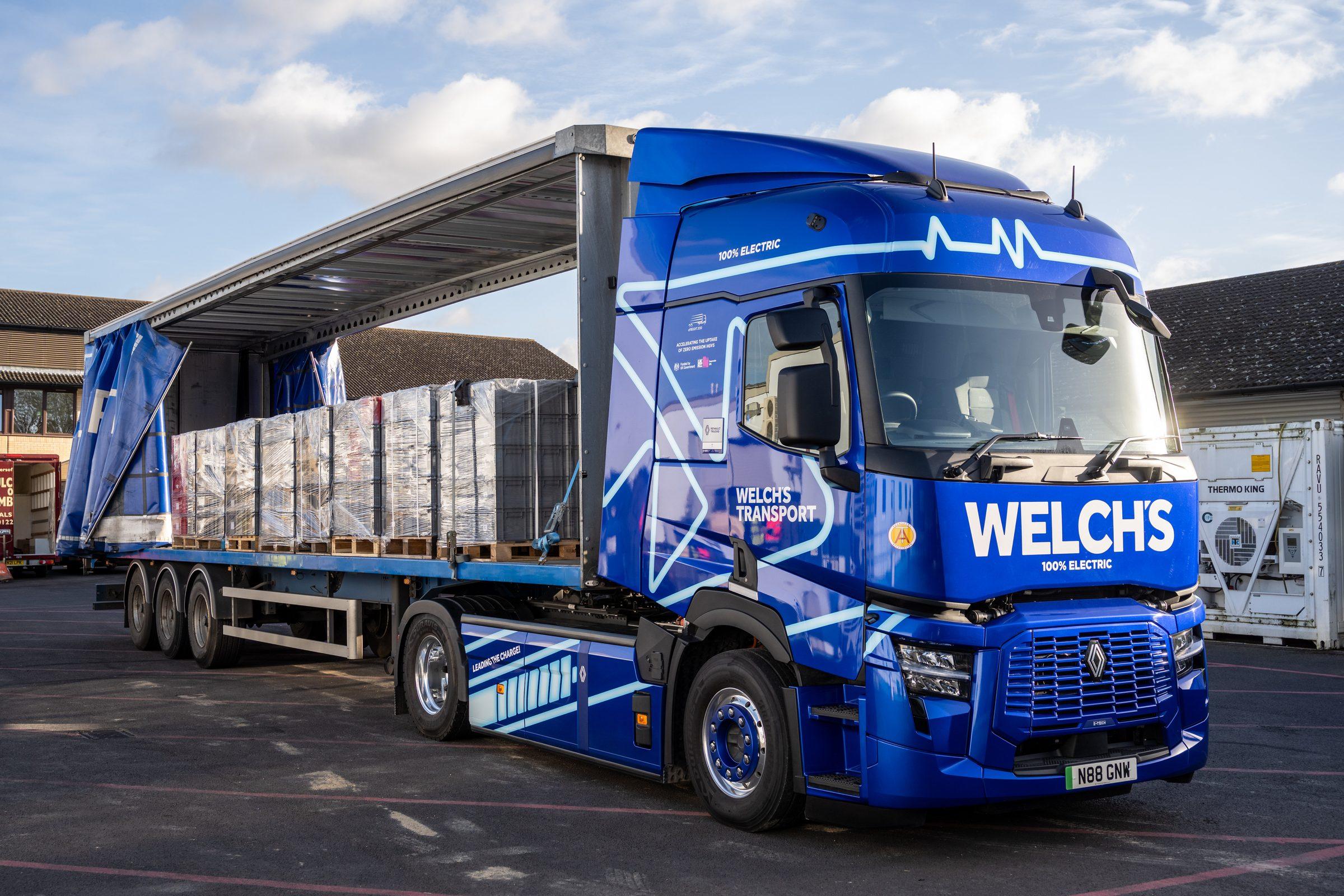
Our own work is a good example. We run 42-tonne electric artics on pallet network trunking and collection and delivery, and it rarely weighs out. Pallet freight fills the trailer long before it hits the weight limit. A couple of our customers run heavy. The rest is fine.
What the battery costs you
The battery is heavy. Electric tractor units typically weigh two to four tonnes more than their diesel equivalents, according to dealer feedback gathered by the RHA. When the Energy Saving Trust reviewed our fleet in 2024, it put the payload loss on the leading 44-tonne electric tractor units at around three to four tonnes.
On genuinely heavy work, that bites. The Electric Freightway programme gave the example of an electric tractor and trailer with about 23 tonnes of cargo capacity against 28 tonnes for a 44-tonne diesel, and noted that axle limits could push the electric figure below 20 tonnes in some cases. Its conclusion: five electric trucks might be needed to do the work of four fully loaded diesels, with the extra drivers and movements that come with them.
The RHA has costed it. With the payload loss left unfixed, running an electric 6x2 costs 18.7% more than a diesel for the same payload, and a 4x2 10.4% more.
So on the heaviest long-haul duties, battery weight still keeps parts of the market on diesel. Nobody serious disputes that.
Who it actually affects
The Electric Freightway programme found only a small percentage of the diesel journeys it monitored went over 40 tonnes. A significant minority of operators do run heavy, especially in bulk materials, and general hauliers like the flexibility to load up when they need to. But most freight runs out of space before it runs out of weight.
The RHA's survey paints a heavier picture: 57% of operators said fewer than half their deliveries would fit a 22-tonne payload. Read that with care. 88% of those who answered were running above 42 tonnes, so it's a survey of the operators the problem hurts most. It shows the problem is real for them, not that it's universal.
Why the 2-tonne allowance doesn't fix it
The UK already gives zero emission HGVs up to two extra tonnes to cover battery weight. The trouble is where it applies. It doesn't lift the 44-tonne maximum, so the operators running at the top weight, who need it most, get nothing from it. And on a 4x2 electric tractor the drive axle tends to hit its own limit first. A weight allowance without a matching drive axle increase is close to unusable for that work.
The RHA wants 46 tonnes for electric HGVs and a 12.5-tonne drive axle limit. We'd back any change that makes the allowance usable at the top weight, and that means doing the axle at the same time.
How Europe compares
The EU has been working on the same problem. In 2024 the European Parliament backed an extra four tonnes for zero emission trucks plus a one-tonne axle increase. EU transport ministers agreed their own position in December 2025, with the weight bonus varying by axle count and extra length allowed for zero emission trucks. At the time of writing the final text was still being negotiated. Wherever it lands, European operators look set for a more generous deal than the UK's two tonnes. That's a competitiveness gap as well as a payload one.
Do you weigh out or cube out?
You don't need a change in the law to answer the question that matters to your business. Pull a year of consignment weights from your TMS and look at the spread:
- What share of loads go over 22 tonnes? Over 24?
- Are the heavy loads spread across the fleet, or concentrated on a few customers or lanes?
- Are the heavy days predictable?
- What's the plated weight of the specific electric truck and trailer you're looking at, not the brochure figure?
If the heavy loads are concentrated, which they usually are, plan around them. Keep diesels on the heavy lanes for now, put electric on the rest, and revisit as batteries get lighter.
Battery size is a lever too. A smaller battery weighs less, and smaller batteries become workable when there's somewhere to top up during the day. Trucks already wait 60 to 90 minutes at supermarket docks. Charging there could cut battery size and hand back payload. Our guide on what to ask your telematics provider shows how to find those stops in your own data.
Payload is a real constraint on some work. It's a reason to look at your loads, not a reason to stop looking.
Photo: Matthew Power Photography