Financing electric trucks
Buy, HP, contract hire, lease or battery-as-a-service, judged against an asset that lasts fifteen years
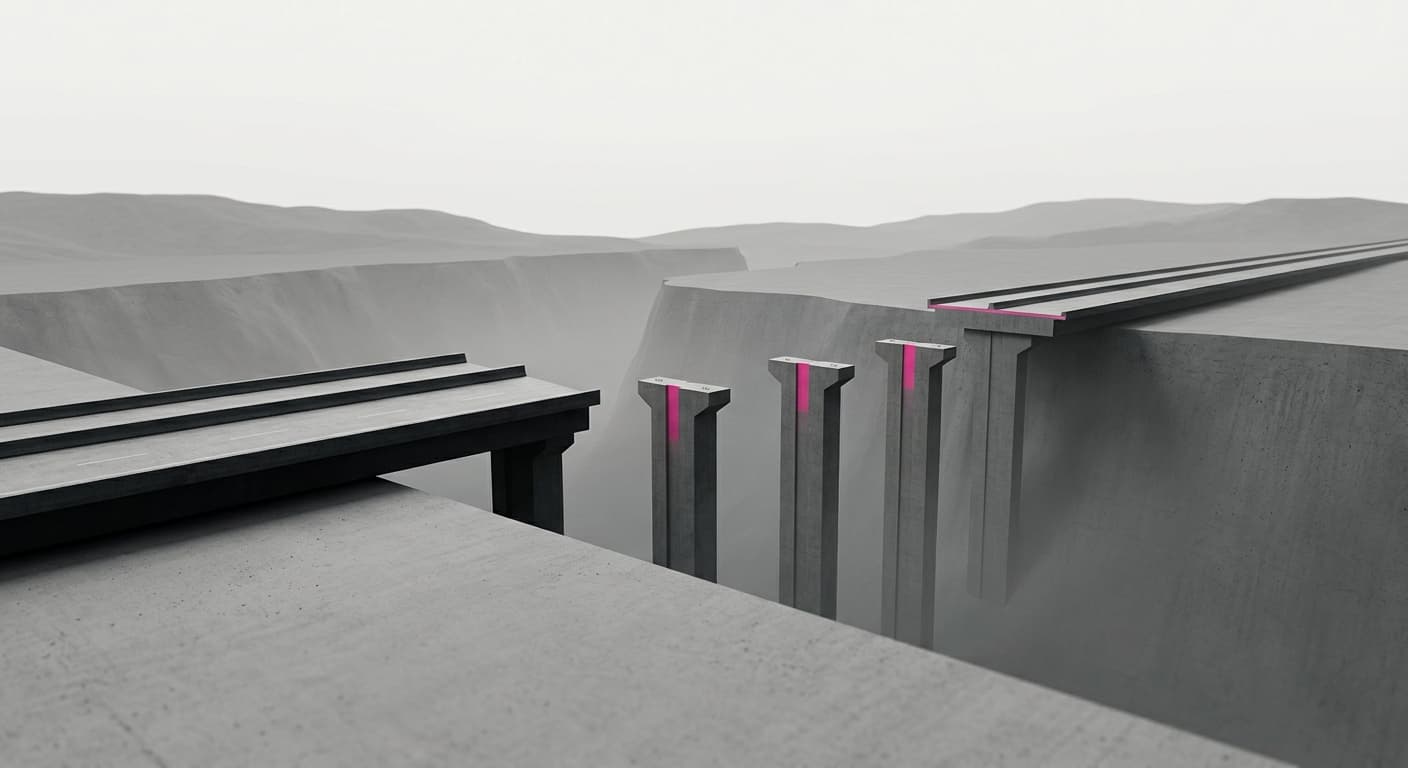
The problem with financing an electric truck isn't the price. It's the term.
Almost every finance product in the UK truck market prices a lorry as a three to five year asset. That made sense for diesel, where the plan was to run it hard and swap it before the big bills arrived. It makes much less sense for an electric truck, which has far fewer parts to wear out and a battery that, on the evidence from buses, lasts a lot longer than people expected.
Price electric over five years and it looks expensive. Price it over ten and the decision changes.
The asset you're actually buying
At our Making the Numbers Work workshop, several operators described the same plan without prompting and independently of each other: run an electric truck for a decade, refit the battery, run it for another. Buses are seven or eight years ahead of trucks here. Bus battery warranties now run to 14 years, and one fleet of 35 electric buses from 2016 had no cell failures nine years on.
Nobody has yet published a study that models 15 to 20 year truck ownership. The operators planning for it aren't waiting.
So plan on ten years, not five, and judge every finance option against that.
The residual value problem
There's no used market for electric trucks. No Cap HPI valuations, no Glass's Guide. The first real resale data won't appear until 2027-28, when early demonstrator vehicles come off contract.
That leaves funders pricing blind. A lender who has to guess what a truck is worth at the end of a four-year deal will guess low, and you pay for the guess in your monthly rate. It's the main reason short-term finance overstates the cost of electric.
Our follow-up research, What's It Worth?, found something more awkward. The big players aren't waiting for a used market to form. Truck makers and lessors are dealing with the uncertainty by keeping the trucks, retaining and re-leasing them rather than selling them on the open market. That's rational for them. It also means the price discovery everyone is waiting for may be slow to arrive.
One participant at the workshop put the logic well: "The more you pay for something, the more bothered you are about its residual value. If you've paid £250,000 for a truck, you're really bothered about what it's worth in five years. If you've paid £90,000, are you bothered if it goes for seven or twelve? Probably not."
The options
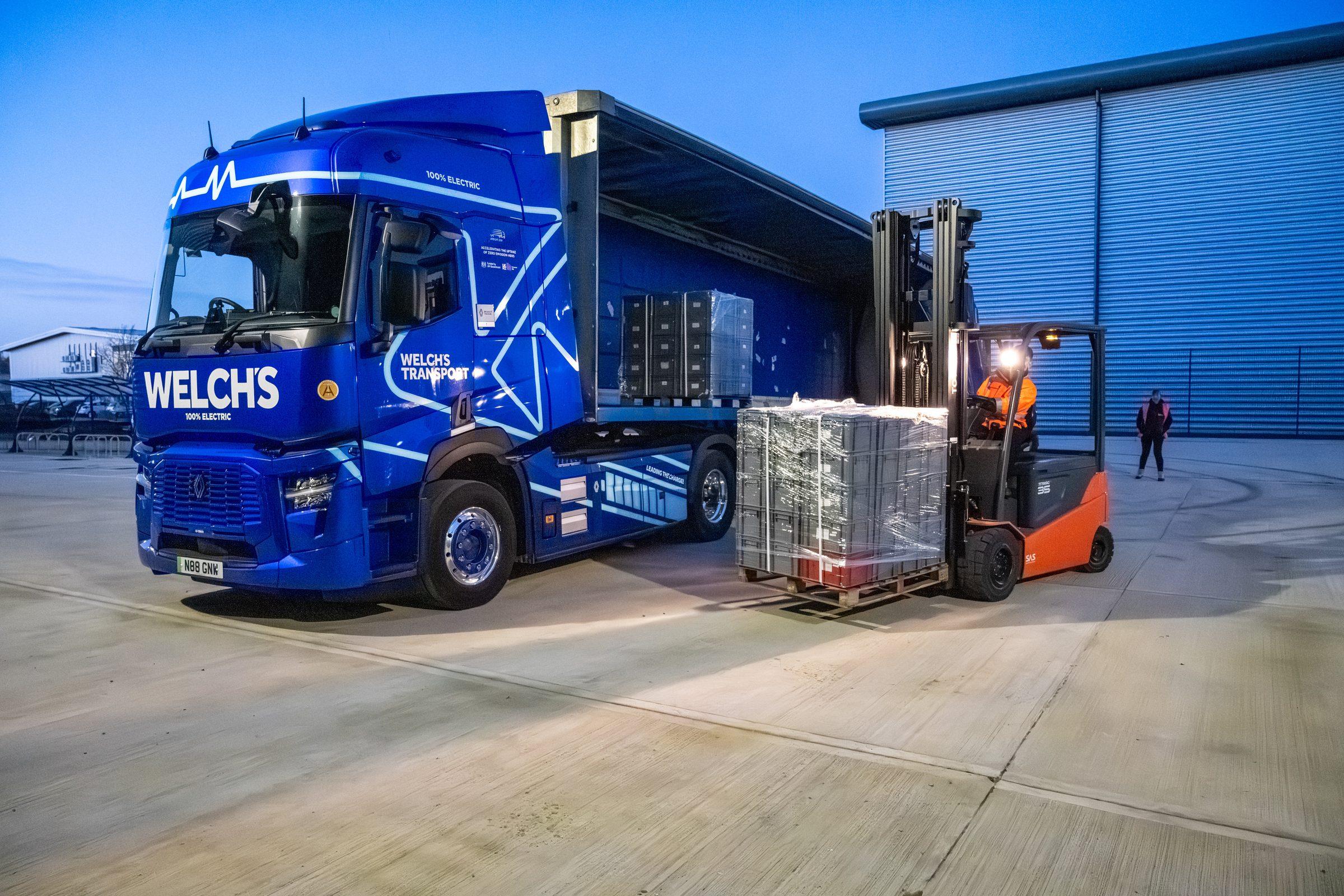
Buy outright. Most small fleets already do this: buy, keep for around twelve years, run it into the ground. It suits electric well. You carry the residual risk, but you keep all the upside, and on a ten-year plan the residual matters far less. It's how we run our own electric trucks. The catch is capital, and that's what keeps most operators out.
Hire purchase. You own it at the end, so you keep the long-life upside, and the capital cost is spread. The problem is the term. Over three to five years the payment is built for a diesel's life and the cash flow looks worse than the truck deserves. Push for longer.
Contract hire. The funder carries the residual risk, which sounds attractive when nobody knows what an electric truck is worth in four years. But they price that unknown into your rental, and the truck goes back just as it's getting good value. Useful for a first truck or a trial if you want certainty. Expensive as a long-term model.
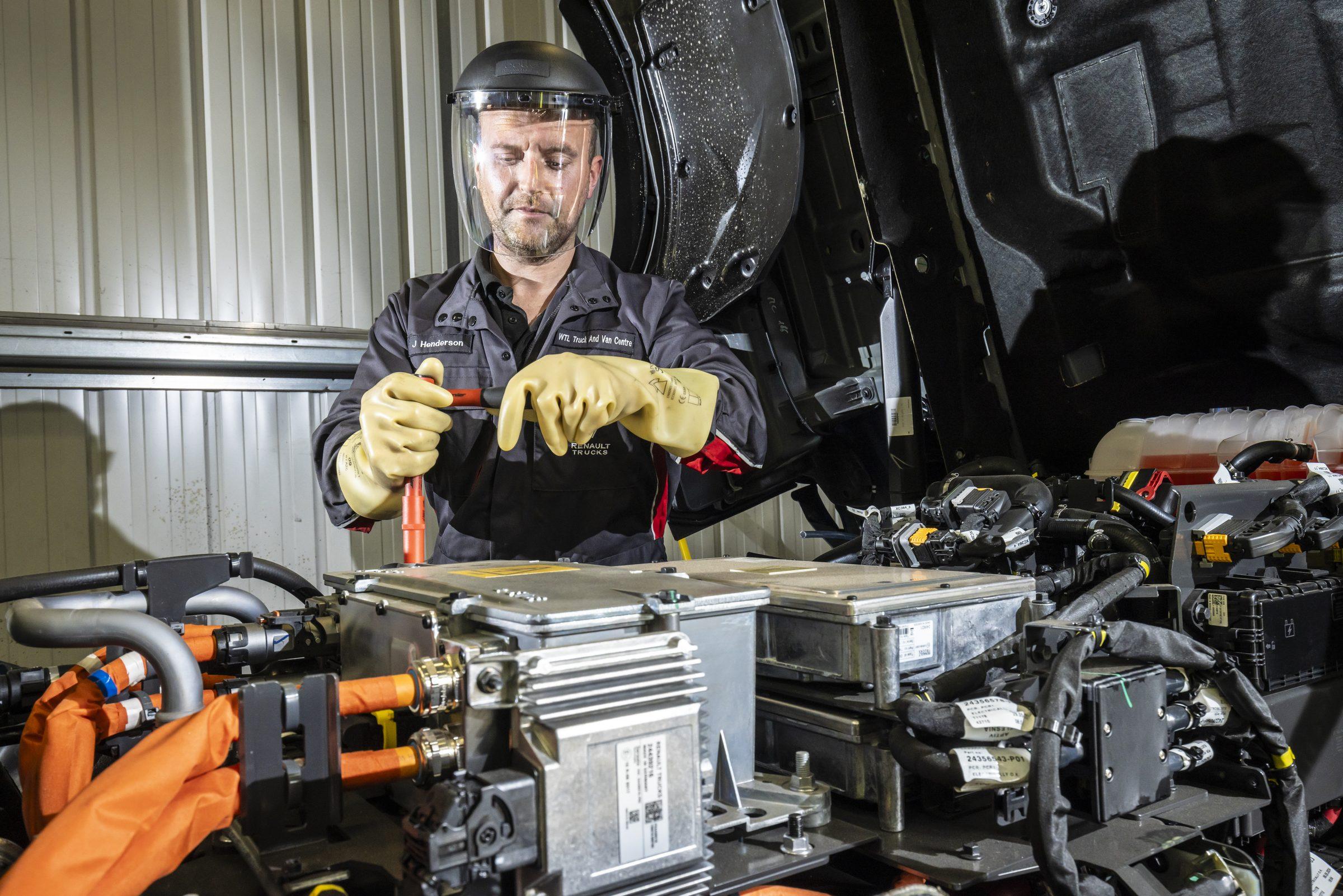
Lease with maintenance. Contract hire with maintenance wrapped in. Electric trucks cost less to maintain, so check you're not paying a diesel-shaped maintenance charge on an electric truck. European modelling puts electric maintenance 28 to 33% below diesel. Tyres are the exception and can wear up to 20% faster.
Battery-as-a-service. Separate the battery from the chassis, own one and lease the other, and the upfront cost drops sharply. It works in buses. In trucks, nobody at our workshop could describe the contract structure, or how UK asset finance law handles a chassis and a battery owned by different parties. Worth watching. Not something to bet a fleet on yet.
What to ask a funder for
Go in with a ten-year plan and ask for finance that matches it:
- terms of eight to ten years, not three to five
- shared residual risk, rather than all of it landing on you
- a final payment set against the battery warranty, not against a guess
- published battery warranty terms, in writing, before you sign
- a buyback commitment or second-owner package from the manufacturer
- maintenance pricing based on electric running costs, not diesel ones
Not every funder will say yes. Some will, and the ones that do have understood the asset. Our report asked finance providers for exactly these terms, and asked truck makers to build the second-hand market now. If your funder hasn't heard either argument, that tells you something.
The Residual Value Guarantee
A government-backed Residual Value Guarantee would take much of the guessing out. It has been designed by the Green Finance Institute, blueprinted by CALSTART and modelled. On the blueprint's illustrative case, £10m of reserves could mobilise over £228m of private capital. At the time of our workshop it hadn't been implemented. We think it should be, and we've said so. Until it is, plan as if it won't arrive.
Grant support for truck purchase changes regularly. The current schemes are on our grant funding page.
The short version
If you can buy, buy and keep. If you need finance, get the longest term you can and make the funder share the residual. Don't let a five-year finance deal decide whether a fifteen-year asset is worth having.