
SHIFT
Smart HGV Integration for Flexibility Trial: earning from depot charging without putting a departure at risk.
The problem
Electric trucks parked on charge are a flexible load the grid will pay for, but operators rarely see that value. Charging is planned around the charger rather than the truck's next job, and nothing links tomorrow's duties to energy prices or grid signals. The gap in total cost of ownership between electric and diesel stays wide.
What's being tested
TOGL's platform reads vehicle data direct from the manufacturer where it can, alongside the depot's transport management and charge point systems, and schedules each truck's charging around its next departure, the cheapest energy and what the grid needs. Spare flexibility is offered into NESO's Demand Flexibility Service. Charging is turned up or down within the depot's existing connection, so no upgrade is needed. Software only.
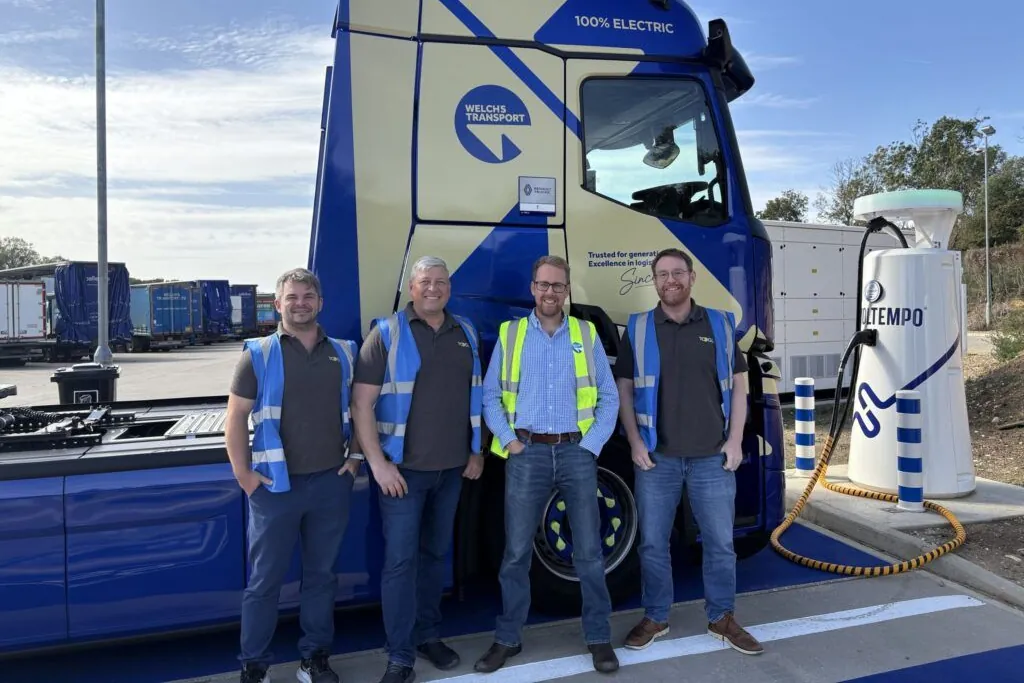
Nothing touches a live truck until the operator is confident. Data, operating limits and integrations come first, then a simulated period running on live data before Christmas, then the live trial at Welch Group's Duxford depot through to early March 2027.
How we'll know
Charging cost per kWh against the depot's historic baseline, with a 10 per cent reduction targeted. Flexibility revenue per truck. Forecast accuracy against real duties. And no impact on vehicle readiness: every truck at its required charge by its departure time.
Why it matters
If depot flexibility pays reliably without risking a departure, it closes part of the cost gap with diesel using connections operators already have.
Results
Published at the end of the trial.